
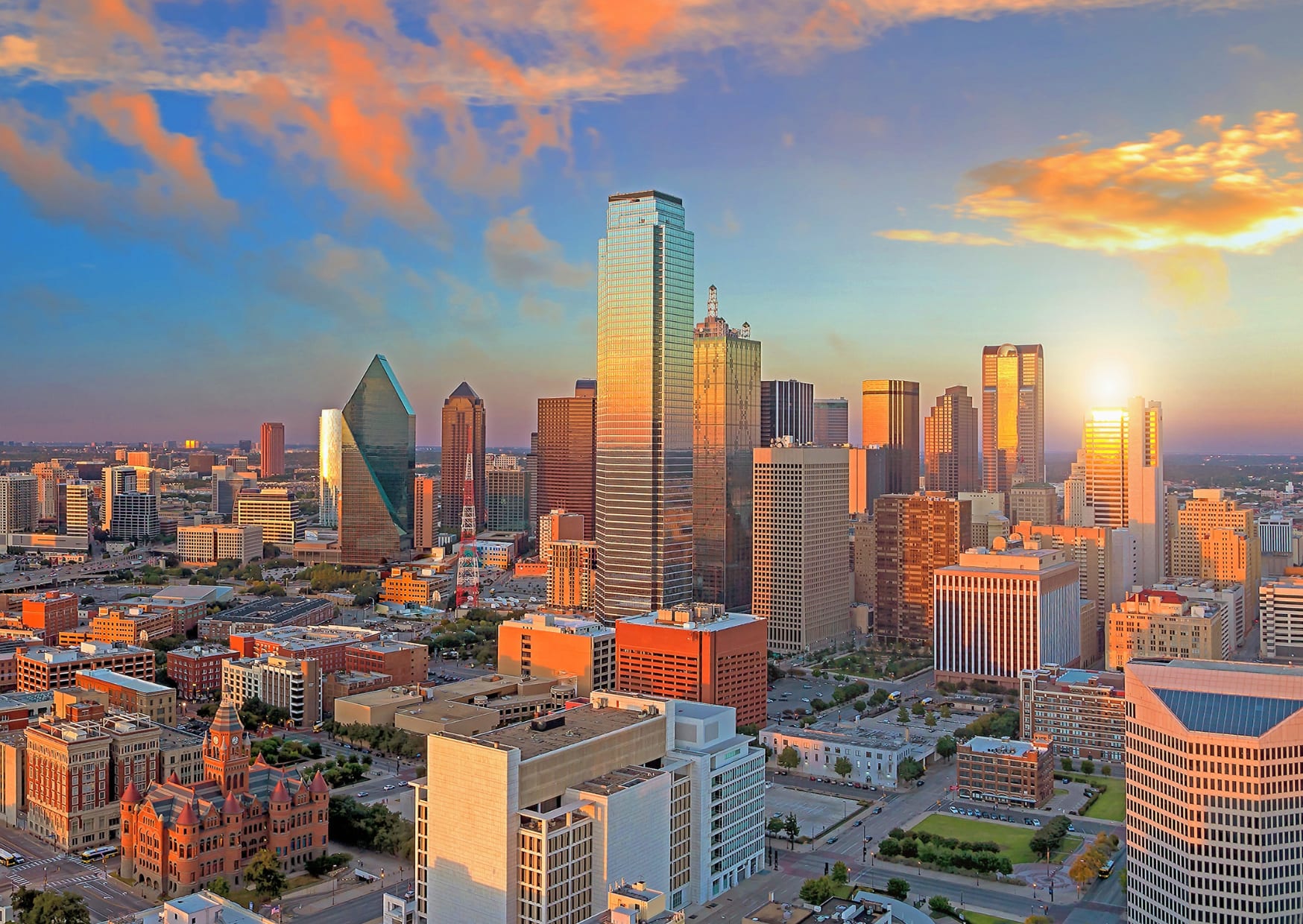

Thinking about moving to the Dallas–Fort Worth (DFW) metroplex in 2026? You’re not alone. DFW continues to be one of the fastest-growing regions in the United States, and for good reason. But relocating here isn’t just about packing boxes and signing a lease. Whether you’re moving for a job, a lifestyle change, or lower taxes, understanding the reality of the market and life in North Texas will help you make smarter decisions.
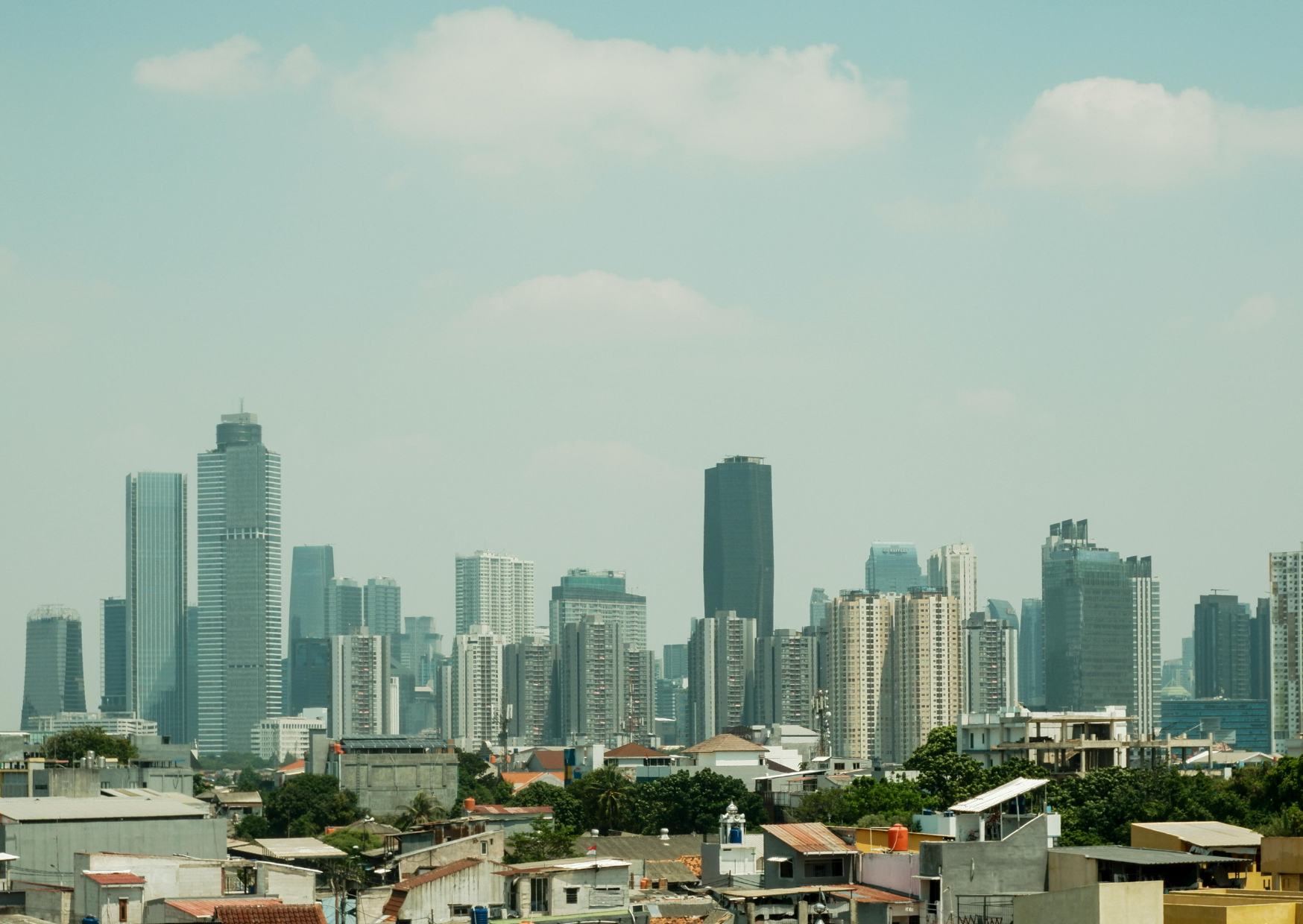
DFW: More Than a City: It’s a Mammoth Metroplex
When people say they’re moving to “Dallas,” they often really mean the larger Dallas–Fort Worth metro area, a massive region of more than 8 million residents, over 200 distinct cities, and thousands of square miles of diverse communities. From suburban Plano and Frisco to historic Fort Worth and lake-adjacent towns, your choice of locale will shape your lifestyle and daily routines.
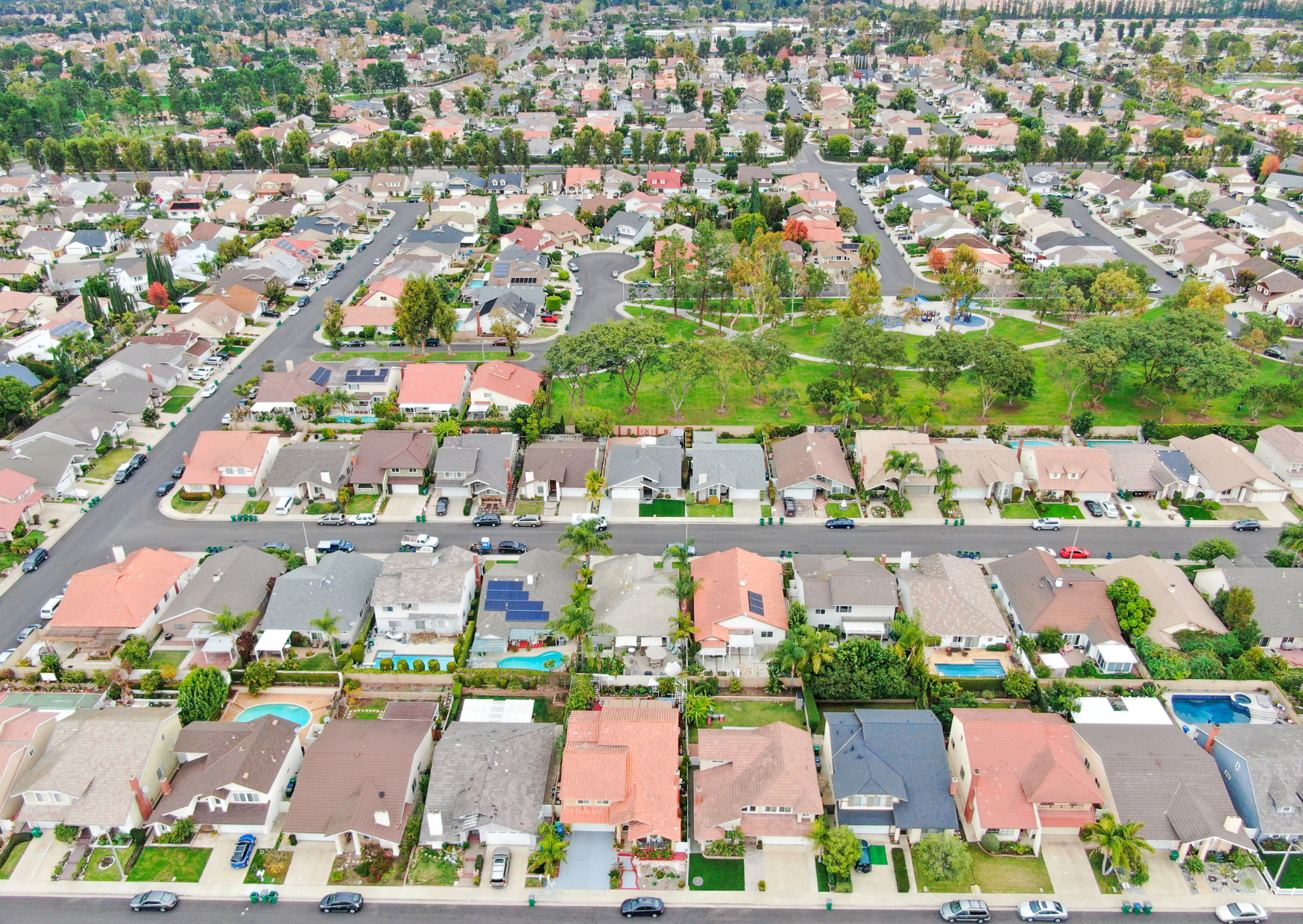
Quick reality check: Most relocating families don’t live in central Dallas but in surrounding suburbs and exurbs where schools, parks, and home sizes tend to be more attractive and affordable.
Why So Many People Are Choosing DFW
There are several key reasons people from across the country are relocating to the DFW area in 2026:
✔️ Strong Job Market & Economic Growth
DFW remains a corporate and economic powerhouse, attracting employers in technology, healthcare, finance, logistics, and more, meaning opportunities for career growth abound.
✔️ Cost Advantages Compared to Coastal Cities
With no state income tax and a cost of living significantly lower than many major metros (like Los Angeles or New York), newcomers often find their dollars go further here, especially on housing.
✔️ Broad Lifestyle Options
Whether you want urban living, family-friendly suburbs, golf-course neighborhoods, or lakeside views, DFW has something for you.
What Relocation Buyers Should Know About the 2026 Market
The DFW housing market has shifted significantly in recent years, and that reality matters if you’re planning to buy once you relocate:
- More Inventory, More Choice
Unlike the intense seller’s market seen earlier in the decade, more homes are available now, giving relocation buyers more options and more negotiation power than before.
- Prices Are Not Skyrocketing
Home price growth has slowed, and some submarkets have even seen slight declines, meaning buyers can purchase with confidence without overpaying due to bidding wars.
- Sellers Are More Flexible
Because the market is more balanced, sellers are more willing to negotiate on price, closing timelines, and repairs, especially for well-qualified buyers ready to act.
Tips for a Smooth Relocation to DFW
Here’s what every incoming resident should consider before making the move:
Understand What “DFW” Really Means
The metroplex spans dozens of neighborhoods, and lifestyle expectations vary dramatically between them. Decide early whether you want:
Urban living near restaurants and nightlife
Suburban neighborhoods with top schools
More affordable areas with longer commutes
Growth corridors with new construction
This choice will affect your commute, budget, and quality of life.
Expect Traffic and Toll Roads
DFW’s road network is vast, and many people rely on highways and toll roads to get around. Commuting times and toll costs vary widely based on where you choose to live and work.
Weather & Climate Matter
Summers here are hot and long, with temperatures routinely topping 95 °F, something newcomers often underestimate. Weather can also be unpredictable, with storms and even occasional winter ice.
Schools, Neighborhoods, & Community Factors
If you’re moving with family, schools will likely be a priority and DFW has several well-rated districts, particularly in suburbs like Plano, Frisco, Allen, and McKinney.
Looking for a more urban vibe with walkable amenities? Areas like Uptown Dallas or Fort Worth’s Near Southside may appeal — but note that prices and competition can vary.
Final Thoughts: Plan Ahead — Don’t Leap Blindly
Relocating is exciting, but successful moves are strategic:
Research market conditions before making offers
Assign a local agent who understands DFW neighborhoods
Budget for property taxes, commuting, and lifestyle costs
With the right guidance, and a plan tailored to your goals, moving to DFW can unlock opportunities that few other metro areas offer.

Need Help with Your DFW Relocation?
At Sage Street Realty, we specialize in helping families and professionals navigate the Dallas–Fort Worth market. From neighborhood selection to negotiation strategy and closing day.
Contact us for a relocation consultation and let us help you find the right home and community for your new chapter in DFW!